The Provincial Court of Asturias has set aside a drink-driving conviction that required a driver to stay without a licence for 15 months and to pay a fine of seven months. The court held that the proceedings breached his right of defence by stopping him from submitting police recordings that could have been decisive in clarifying what happened.
The ruling, issued on 25 September, means the driver must face a new trial, this time before a different magistrate. The court has not found him innocent. It found that the procedure did not respect every guarantee required before a conviction could be imposed.
The case began as a fast-track trial for an alleged road-safety offence linked to driving under the influence of alcohol. The first judgment imposed a fine of seven months at a daily rate of eight euros, withdrawal of the driving licence for 15 months, and payment of court costs.
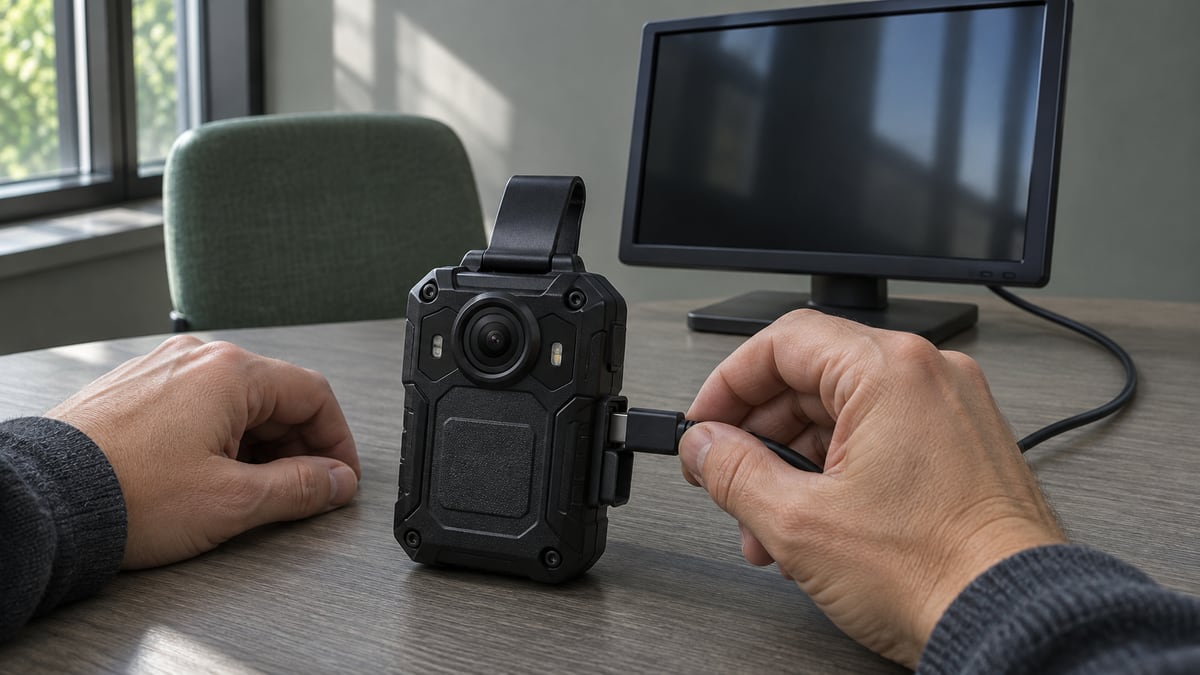
His defence, led by lawyer José Enrique Carrero-Blanco Martínez-Hombre of the firm Tech Abogados, appealed on the ground that fundamental evidence had been refused. That evidence included recordings from officers' body cameras and images from police premises.
According to judgment 395/2026 of the Provincial Court of Asturias, the defence had asked during the investigation for several items to clarify how the police intervention unfolded. The requests covered statements by the National Police and Local Police officers involved, possible recordings from their personal cameras, images captured inside police premises, and a handwriting expert report on the signature appearing on a summons.
Those requests were rejected even though the defence had filed them during the investigation stage and later repeated them. The Provincial Court considers that the recordings could have supplied relevant information about how the breath tests were carried out. The accused had questioned the results of those tests.
The court finds that the images could have affected the assessment of the facts and therefore the outcome. The defence had also expressly opposed the rejection of the evidence.
Section Two of the Provincial Court of Asturias allowed the appeal and declared the hearing, the conviction and the later proceedings null. The decision rests on a breach of the right of defence and of the right to use relevant evidence, recognised in Article 24 of the Spanish Constitution.
As a result, the 15-month driving ban and the financial penalty no longer stand, and the case must return to the point at which evidence is admitted. The new trial must be held before a different magistrate so that impartiality is preserved and the documentary evidence on the requested police recordings can be examined.
The decision does not mean the driver has been acquitted of the alleged drink-driving offence. The new court will decide his criminal responsibility after assessing the relevant evidence.
In Spain, the Directorate-General for Traffic sets a general drink-driving limit of 0.25 milligrams per litre of exhaled air, reduced to 0.15 mg/l for novice and professional drivers. The Criminal Code provides for prison, a fine or community service, together with withdrawal of the licence, for people who drive under the influence of alcohol or exceed 0.60 mg/l in exhaled air.